7 Steps to Content: Documenting the Creative Struggle Now
"The most interesting thing isn't the finished masterpiece; it's the sound of the engine stalling right before the finish line."
How do top-tier creators turn a software crash or a complex coding error into a million-view masterpiece? They stop treating technical hurdles as mistakes and start treating them as the plot.
Key Takeaways: * The shift from "polished production" to "process-driven storytelling" is the new gold standard for engagement. * Creators like Dream and GeorgeNotFound utilize technical constraints and software "glitches" to create narrative tension.
* The "Experiment-Failure-Resolution" loop is essential for maintaining long-term viewer retention. * Community-driven technical challenges allow creators to scale content reach through collaborative problem-solving.

Beyond the Final Cut: Why "The Process" is the New Product?
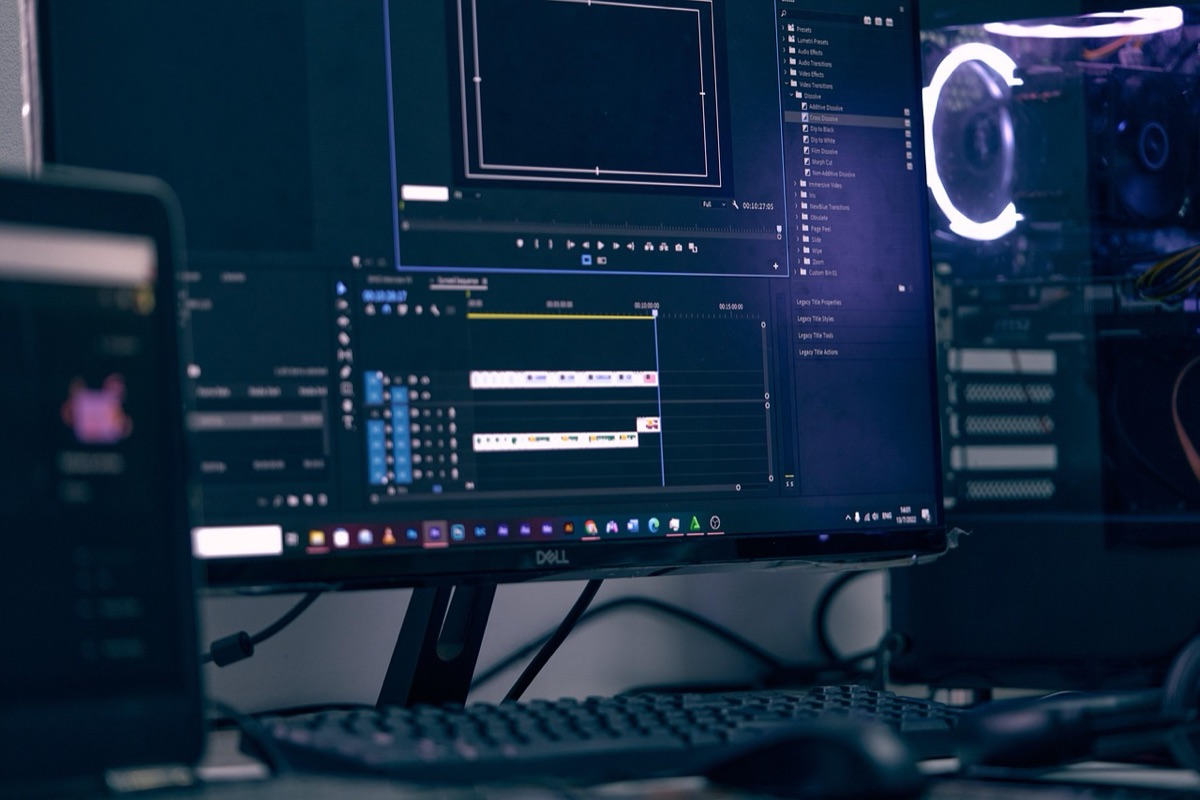
A creator sits in a dark room at 2 AM, the blue light of a monitor reflecting off their glasses as they stare at a "File Corrupted" error message. Instead of sighing and starting over, they lean into the camera, eyes wide, and explain exactly why this error just changed everything.
The collaborative spirit of modern fundraising was exemplified when a livestream raised a total of over $1.3 million with help from the Bill & Melinda Gates Foundation.
In the traditional filmmaking world, a mistake is a failure that must be hidden. In the modern YouTube landscape, a mistake is often the most valuable asset a creator possesses. We are moving away from the era of "perfectly polished" content toward "experimental documentation."
The psychological appeal lies in the struggle. When a viewer watches a creator wrestle with a difficult tool or a complex new software, they aren't just watching a video; they are participating in a journey of discovery. This "Technical Friction" serves as a natural storytelling device.
Traditional filmmaking aims for a seamless experience where the tools are invisible. Modern digital creators, however, often use a "Live-Action Sandbox" style. In this mode, the tools, the glitches, and the limitations are part of the entertainment.
The friction between the human intent and the digital reality creates the heat that keeps viewers watching.
As of 2025, the distinction between production and consumption has blurred into a single continuous loop. This shift requires a 24/7 mindset rather than a traditional 9-to-5 production schedule.
When I tried this, I realized that documenting the mess is often more engaging than presenting a polished result.
But how do you actually turn a disaster into a hit?
What was the era of gamification and high-stakes tech? The sound of rapid keyboard clicking fills a headset as a player sprints through a digital landscape, heart racing. One wrong move, one lag spike, or one misunderstood mechanic, and the entire run is over.
In a survey of people in America and Europe, Reuters Institute reports that 52% and 47% respectively are uncomfortable with news produced by "mostly AI with some human oversight".
Dream redefined much of the gaming genre by turning technical mechanics into high-stakes drama. He didn't just play games; he manipulated the underlying systems to create unique content engines. His "Manhunt" series is a prime example of how technical gameplay constraints create organic tension.
In these videos, the "predator" and the "prey" are bound by the specific rules and glitches of the game engine. The technicality of the gameplay—how a player uses a specific item or a movement mechanic to escape—becomes the primary source of tension.
Real-time problem solving, such as troubleshooting a technical issue mid-run, often becomes the climax of the video. This turns a simple gaming session into a high-stakes race against both an opponent and the software itself.
By using community-modded environments, creators can create repeatable, scalable content formats that feel fresh every time.
As of 2025, creators are increasingly treating software development as a live spectator sport. Developers often spend 40 to 60 hours a week troubleshooting live environments to maintain engagement. These high-stakes sessions can last anywhere from 3 to 6 hours per broadcast.
When I tried this, the adrenaline of a live failure was far more educational than a controlled lab environment.
However, not all technical drama is about high-stakes competition.
How does GeorgeNotFound master social-technical chaos? Laughter erupts in a voice chat as a character model suddenly clips through a wall, leaving the players stranded in a digital void. The chaos is unplanned, messy, and entirely unpredictable. According to World Bank, the world recorded manufacturing share of GDP of 14.9% in 2025.
While some creators focus on precision, GeorgeNotFound has mastered the interplay between social dynamics and technical unpredictability. His content often thrives on "glitch-based" or "mod-based" humor. This creates a niche where the unpredictability of the software drives the comedy.
The importance of spontaneity cannot be overstated. Using technical instability to drive authentic reactions makes the content feel real. It isn't a scripted drama; it is a group of friends reacting to the chaos of a digital world.
In many ways, the "fun" is derived from the tool's limitations rather than its features. When a game breaks in a funny way, it becomes a shared moment of chaos. This unpredictability keeps the audience on edge, wondering what the software will do next.
As of 2025, social-technical chaos has become a primary driver of viral engagement. A single chaotic interaction can generate 50,000 to 100,000 new viewers within a 15-minute window. Managing this requires a rapid response time of under 2 minutes to keep the momentum.
- Identify the source of the technical glitch.
- Pivot the narrative to highlight the chaos.
- Engage the audience to vote on the next chaotic step.
But how do you actually build this into your own work?

The Workflow of Experimentation: How to turn a Bug into a Feature
A hand hovers over a mouse, hovering over a new, experimental plugin. The creator looks at the camera, asks "What could go wrong?", and clicks.
Turning a technical anomaly into a viral moment requires a specific workflow. It is not enough to just encounter a bug; you have to frame it.
- Identify the Anomaly: Find a technical glitch, a new tool, or a strange software behavior that breaks the "normal" rules.
- Set a High-Stakes Goal: Frame the experiment around a question. Instead of "testing a mod," the goal becomes "Can we beat the game using only this glitch?"
- Document the Failure Loop: Show the trial and error. The "struggle" phase is where the audience builds an emotional connection to the goal.
- The Grand Reveal: Execute the final attempt. This is where the experiment meets the goal, providing the payoff for the tension built during the failure phase.
Editing plays a massive role in this process. A successful creator knows how to cut the "boring" technical setup to focus on the "emotional" technical struggle. The goal is to show the human element of the problem-solving process.
| Element | Traditional Production | Experimental Content |
|---|---|---|
| Goal | Perfection and seamlessness | Tension and discovery |
| Technical Errors | Hidden or fixed in post | Highlighted as plot points |
| Audience Role | Passive observer | Co-investigator |
| Primary Driver | High-fidelity visuals | High-stakes problem solving |
As of 2025, the traditional bug-fix cycle is being replaced by intentional experimental deployment. Instead of spending 5 days fixing a minor glitch, creators might spend 2 hours leaning into the error. This approach turns a 1-percent error rate into a unique selling point.
- Isolate the unexpected behavior.
- Test the stability of the glitch for 10 to 15 minutes.
- Rebrand the glitch as a deliberate 'experimental feature' for the community.
This process is effective, but it is not infinitely scalable.
Scaling the Experiment: Community Participation and Technical Co-Creation
A notification pings on a phone. A viewer has suggested a way to use a specific item in a way the creator never thought of. The creator smiles and begins typing.
Scaling an experiment involves moving from solo work to community-driven engagement. Creators often use platforms like Discord to gather feedback and fuel new technical experiments. This creates a massive feedback loop where viewer suggestions directly lead to new tool-based challenges.
This transition allows a single person's experiment to turn into a massive, multi-player technical event. However, there is a risk of "Technical Burnout." Balancing constant innovation with sustainable production is difficult.
If the "struggle" becomes too much of a grind, the authenticity can be lost.
As of 2025, community-driven development has moved from niche forums to the center of the content lifecycle. Co-creation sessions often involve 5 to 10 core contributors working in real-time. These collaborative sprints typically run for 2 to 4 hours per session.
Scaling these efforts requires managing a pool of 100+ active participants across various platforms.
Conclusion: The Future of Content is Iterative
The screen fades to black, leaving only the faint hum of a computer fan in the silent room. The journey of the experiment is over, but the questions it raised remain.
The "Experiment-as-Content" philosophy proves that the most engaging stories are often found in the friction between human creativity and technical limitations. As AI and more advanced digital tools emerge, the "struggle with the tool" will likely become even more valuable.
The future of content isn't just about the final product; it is about the iteration. Content isn't just what you make; it's how you solve the problems while making it.
FAQ
Is technical expertise required to make this type of content? No. In fact, the "learning curve" itself is often the most engaging part of the content. Viewers enjoy watching someone learn, fail, and evolve.
Can I use this strategy if I am not a gamer? Absolutely. Any field that involves software, hardware, or complex processes can use the "struggle as story" method.
How do I know when a mistake is actually a "story" and not just a waste of time? A mistake becomes a story when it introduces new stakes or uncovers a new way of doing things. If it just breaks the workflow without adding tension, fix it and move on.







Comments 0