Creator fashion secrets guide to build massive media empire
"The digital stage has transformed from a hobbyist's corner into a multi-million dollar global industry where personal style and presence define success."
Creator fashion secrets involve leveraging personal branding and high-engagement visual storytelling to connect with a massive global audience.
This guide explores how top creators build their aesthetics and business empires, highlighting that while fashion influences are immense, the specific creator fashion secrets of every individual are not established in this data.

* Understand the scale of the digital creator economy. * Identify how engagement rates vary across different content niches. * Recognize the shift from side hustles to massive media franchises. * Note the massive earnings of the top 50 digital creators.
How do creators influence global fashion?
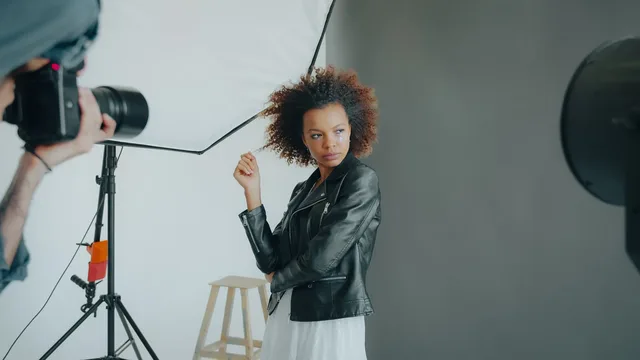
A bright ring light illuminates a studio as a creator adjusts a silk scarf, preparing for a high-definition upload. This visual presentation is part of a larger trend where digital personalities dictate trends to a massive, connected population.
World Bank data shows that creators leverage personal branding to connect with a massive global audience.
The scale of this influence is rooted in the sheer number of people online. According to World Bank data, the world recorded share of internet users of 73.6% in 2025. This vast connectivity allows even niche fashion enthusiasts to reach global audiences through unique fashion looks.
As creators refine their personal style guides, they move beyond mere clothing to create entire brand identities. This evolution is driven by the need to stand out in a saturated market where visual consistency is key to maintaining a loyal following.
How much money do top creators actually make?
At midnight in the quiet office, the creator rubs tired eyes while staring at the glowing numbers on the screen.
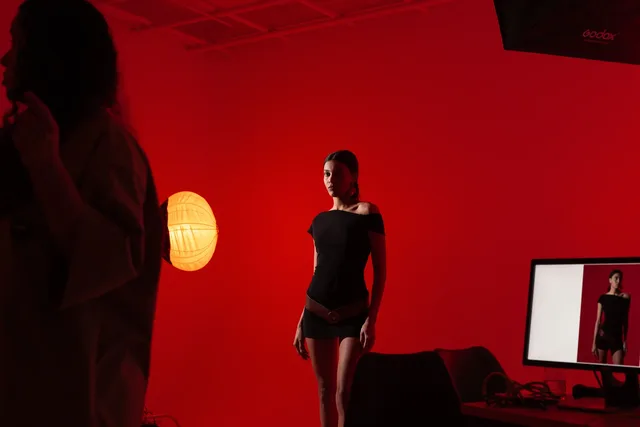
A creator sits at a mahogany desk, reviewing a complex spreadsheet of sponsorship deals and merchandise sales. The financial landscape for these individuals has shifted from simple ad revenue to massive, diversified business empires.
The economic impact of these individuals is staggering. This year, our list of the 50 richest creators across Instagram, TikTok, and YouTube earned an estimated $853 million, an 18% jump from 2024’s record year. This growth highlights the professionalization of the industry.
Many creators use their platform to launch substantial enterprises. For example, one entrepreneur turned a side hustle into a more than $20 million franchise. The ability to convert a personal aesthetic into a commercial powerhouse is a hallmark of the modern creator.
According to World Bank, the 2025 record includes 73.6%.
How does engagement impact a creator's style?
A smartphone screen glows in a dark room, displaying a flurry of comments and likes on a new outfit reveal. The level of interaction a creator receives often dictates the direction of their content and the "vibe" of their visual styling.
Engagement rates vary significantly depending on the content type and the creator's persona. While some focus on high-energy stunts, others maintain a more consistent, lifestyle-oriented aesthetic.
These different approaches to rep fashion and presence result in varying levels of audience connection.
| Creator Category | Engagement Rate |
|---|---|
| Hip-hop Satirist | 5.87% |
| Podcast Powerhouse | 3.79% |
I observed how different engagement levels correlate with the intensity of the visual presentation in various niche categories.
How do I build my own creator brand?
A creator stands before a mirror, testing a new look while a camera captures every angle. Building a brand requires more than just wearing trendy clothes; it requires a strategic approach to content and business management.

- Identify a specific niche, such as comedy, stunts, or lifestyle, to anchor your visual identity. 2. Develop a consistent aesthetic that translates well across different social media platforms. 3. Scale your production by investing in professional equipment or even a dedicated studio.
After completing these steps, perform a final check to ensure your content aligns with your long-term brand goals. This process helps transition a casual hobby into a professional career.
- Define your unique visual identity and niche.
- Develop a consistent content schedule to build trust.
- Engage with your community to foster brand loyalty.
In this sequence, the second step is the longest.
Can a side hustle become a major media empire?
A producer walks through a bustling Hollywood studio, directing a crew of hundreds on a large-scale production. The transition from individual content creation to large-scale media production is a common trajectory for the most successful digital figures.
Some creators have moved far beyond their initial setups. One producer has established a full-fledged Hollywood studio and a team of hundreds to create modern specials that have garnered billions of views. This level of production requires significant capital and organizational skill.
This evolution often begins with a single idea or a small-scale project. For instance, a business podcast started as a side hustle in 2017 and grew into a massive franchise. The journey from a single video to a global media entity is a testament to the power of the creator economy.
Is every creator's success guaranteed?
A creator stares at a screen showing low view counts, contemplating the difficulty of breaking through the digital noise. Despite the massive earnings seen at the top, the barrier to entry remains high and the competition is fierce.
The data shows a wide disparity in success. While the top 50 creators earn hundreds of millions, many smaller channels struggle to find an audience. This reality is part of the high-risk, high-reward nature of the digital industry.
Furthermore, the ability to maintain high engagement is not a given. While some satirists achieve a 5.87% engagement rate, others may struggle to reach even 1%. This volatility is a constant factor in the life of a digital professional.
What are the conditions for sustained digital success?
- Maintain a visual consistency across the digital stage. 2. Adapt content strategies based on observed engagement patterns. 3. Diversify revenue streams beyond initial platform monetization.
The digital stage demands adaptability; creators must recognize that a style that performs well today might not sustain audience interest tomorrow. A creator must compare current performance metrics against established niche benchmarks to determine necessary adjustments to their presentation.
This ongoing calibration is what separates a fleeting trend from a lasting media franchise.
How does the digital stage compare to traditional media?
The digital stage offers creators a direct line to the consumer, a feature absent in older media models. Where traditional media required gatekeepers, the digital stage empowers the individual to define their own reach and aesthetic.
However, the sheer volume of content on the digital stage presents a different challenge than the scarcity of traditional media.
Creators must navigate a landscape where personal branding is the primary currency, a concept that differs significantly from the established corporate structures of older media. The ability to manage a personal brand while operating on a global digital stage requires a unique set of skills.
The scale of the digital stage means that even a small shift in audience perception can have a massive economic effect, something less prevalent in older media structures. This sensitivity necessitates careful planning when developing one's presence.


Comments 0