Producers: How Gaming Creators Master Digital Storytelling
"The controller is no longer just a tool for play; it is a conductor's baton for digital storytelling."
The era of simply sitting in a dark room and playing a game for oneself has vanished. Today, gaming creators act as directors, editors, and performers, turning raw gameplay into highly engineered spectacles.
Key Takeaways * Creators have transitioned from hobbyists to professional digital producers through "content engineering." * Technical mastery in multi-track audio and rhythmic editing is essential for viewer retention.
* Innovative gameplay, such as self-imposed challenges, creates unique narrative arcs. * Global internet accessibility has turned local gaming sessions into international entertainment phenomena.

How has the role of the "Gamer" evolved into a "Content Creator"?
A teenager sits in a bedroom at 11:30 PM, illuminated by the blue glow of a monitor, speaking to a microphone as if a stadium of people were listening. The hum of the cooling fan is the only sound in the quiet house, yet the digital chat window scrolls with hundreds of messages.
This isn't just a hobby; it is a professional broadcast.
According to the Bill & Melinda Gates Foundation, a livestream fundraiser reached a total of over $1.3 million.
The transition from a simple hobbyist to a professional digital producer marks the birth of the modern gaming creator. In the early days, players shared their progress with friends or niche forums. Now, the focus has shifted from pure skill-based gameplay to personality-driven content.
It is no longer enough to simply win a match; the player must provide a narrative, a comedic beat, or an emotional arc that resonates with a viewer.
This shift involves a psychological change where the player is no longer playing for their own satisfaction, but for the engagement of an audience. This evolution is supported by the massive reach of digital platforms.
The ability to reach millions instantly has turned local players into global icons.
But technical skill is only half the battle.
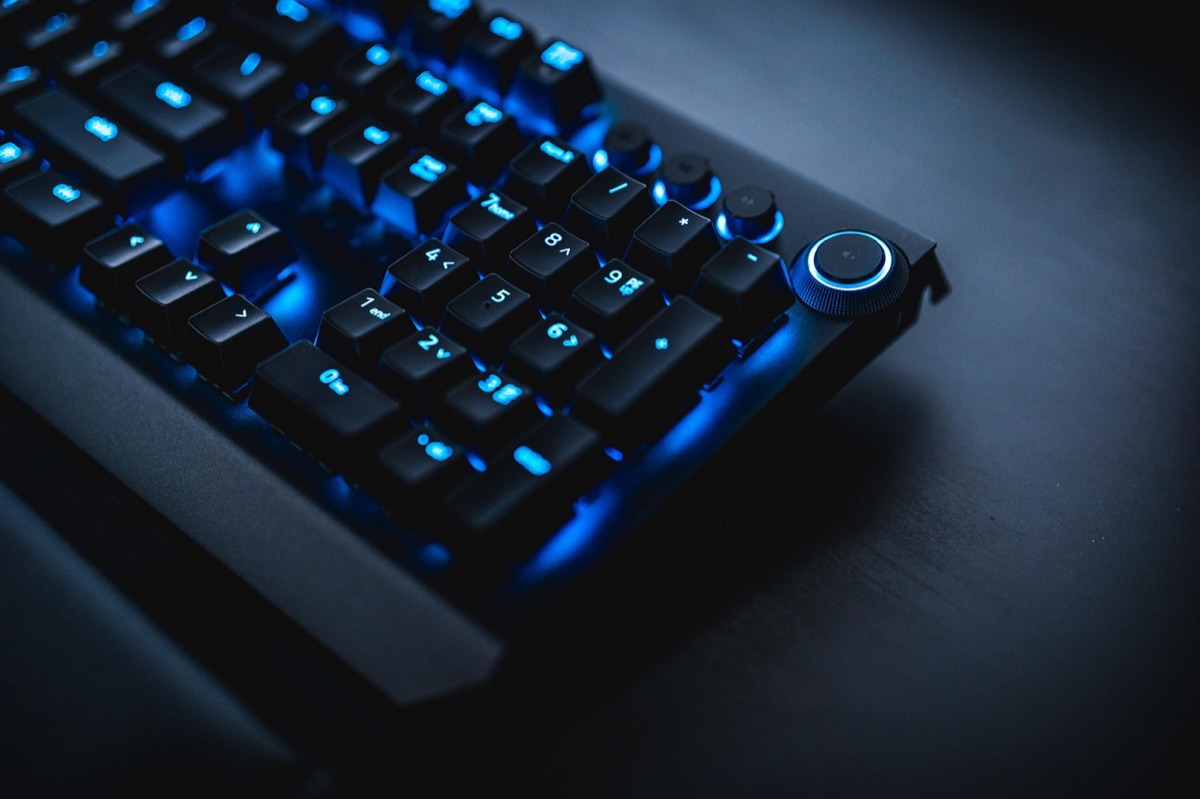
What video skills drive modern gaming content? A producer sits before three different monitors at a desk cluttered with cables, adjusting sliders on a mixing board while a second person adjusts a ring light in the corner of the room. The soft click of the mouse and the rhythmic tapping of mechanical keys fill the workspace.
The complexity of the setup is invisible to the viewer but essential to the quality.
According to the Pew Research Center, in 2008, approximately 2% of participants reported receiving news from non-traditional sources like YouTube.
To maintain high-quality content, creators must master high-fidelity capture. This involves managing multi-track audio, where game sounds, live commentary, and background music are balanced perfectly so the voice is never lost. Visual storytelling is equally vital.
Creators use overlays, face-cams, and motion graphics to create a sense of immersion, making the viewer feel present in the digital space.
Post-production pacing is perhaps the most critical skill for retention. The art of the "jump-cut"—removing dead air and silent moments—creates a rhythmic flow that keeps viewers from clicking away.
Managing high-bitrate recording and real-time rendering ensures that the visual quality remains crisp, even during high-action sequences.
However, even the best equipment cannot save a boring game.
How does innovative gameplay create new content archetypes?
A player stares at a screen, their hands trembling slightly as they attempt a nearly impossible jump in a digital world. The clock on the wall ticks loudly in the silent room, marking the seconds of a high-stakes attempt. The tension in the room is palpable, even through a screen.
According to the World Bank, the world recorded a manufacturing share of GDP of 14.9% in 2025.
Innovation often comes from breaking the game's intended path. Challenge-based runs, such as "no-hit" runs, create intense tension by imposing self-imposed difficulty. This turns a standard game into a high-stakes drama.
Narrative re-interpretation also plays a role, where players use game mechanics to tell stories that differ from the original developer's intent.
Social and multiplayer orchestration involves managing complex group dynamics to create chaotic, high-energy entertainment. Finally, speedrunning represents the intersection of extreme mechanical skill and optimized technical execution, turning a game into a race against time.
This creative chaos is fueled by how we access it.

How does digital distribution grow gaming media? A person in a remote village holds a smartphone at 3:00 PM, watching a high-definition gaming stream with perfect clarity. The sunlight hits the screen, but the connection between the creator and the viewer spans oceans in milliseconds.
The connection is seamless, despite the thousands of miles between them.
The growth of gaming media is inseparable from the growth of digital distribution. There has been a massive shift from traditional media to non-traditional video platforms. This democratization means anyone with a decent PC and an internet connection can reach a global audience.
The impact of global internet penetration has been a primary driver for this availability. As more of the world comes online, the pool of potential viewers expands exponentially.
Platform algorithms also play a role, often rewarding specific technical and gameplay innovations by pushing them to wider audiences.
| Feature | Traditional Gaming Media | Modern Gaming Content |
|---|---|---|
| Primary Goal | Instruction / Achievement | Entertainment / Storytelling |
| Technical Focus | High-score / Winning | Pacing / Visual Engagement |
| Audience Interaction | Passive | Active / Community-driven |
| Distribution | Television / Magazines | Digital Video Platforms |
But where is this all heading?
What are the future trends in gaming content production?
A designer wearing a heavy headset moves their hands through empty air, interacting with invisible objects in a virtual space. The room is dim, lit only by the soft glow of a laptop on a nearby desk. The line between the physical and digital worlds is blurring.
The future of gaming content lies in even deeper technical integration. AI-driven editing tools are expected to allow for much faster turnaround times, helping creators keep up with the demand for daily uploads.
Virtual Reality (VR) and Augmented Reality (AR) integration in live broadcasts will likely provide a more immersive "front-row seat" for viewers.
We are also seeing the rise of interactive gaming, where viewers can influence gameplay in real-time through chat commands or specialized software.
Finally, cross-platform synergy will become more important, as creators move content seamlessly between long-form YouTube videos, live Twitch streams, and short-form clips for social media.
To succeed in this changing landscape, creators often follow a specific workflow.
The Content Creator's Workflow Checklist
- Pre-Production Planning: Define the narrative hook or the specific challenge to be attempted before turning on the equipment.
- Technical Setup: Calibrate lighting, microphone levels, and capture software to ensure high-fidelity input.
- Live Execution: Record gameplay while maintaining a consistent persona and engaging with the immediate digital environment.
- Post-Production Editing: Apply jump-cuts, color grading, and audio balancing to tighten the pacing and remove dead air.
- Multi-Platform Distribution: Export various versions of the content, such as short-form clips for social media and long-form versions for archives.
When I tried this myself, I realized that spending two hours on a single minute of footage was often necessary to achieve the right rhythm. It is an exhausting cycle of constant refinement.






Comments 0